
Rwanda globally known as “The land of a thousand hills” offers a variety of tourism activities to tourists. Rwanda hosts several tourism destinations including its four recorded national parks (Akagera, Volcanoes, Nyungwe and Gishwati), historical sites like (Musanze caves, Kigali genocide memorial, Dian Fossey’s grave), Volcanoes like (Mt. Karisimbi, Mt. Bisoke, Mt. Sabyinyo) among others. The above destinations offer interesting activities to holiday makers in Rwanda. The 5 must do activities on a Rwanda safari include; Gorilla trekking, Game drives, Chimpanzee tracking, Hiking, Cultural & community tours.
The experience takes place in Volcanoes National Park which is located in northwestern region of Rwanda. The park is home to approximately 300 to 380 mountain gorillas nearly half of the entire Virunga population. The above population contribute 30% to world’s gorilla population. The park has over 12 fully habituated gorilla families and each one hosting over 10 to 40 members ready for daily trekking. Some of the gorilla families in the park include; Susa (A), Igisha, Agashya, Amahoro, Sabyinyo, Kwintonda, Umubano, Karisimbi (Susa B), Muhoza, Bwenge among others.
The trekking experience starts with the morning briefing at the Kinigi park headquarters about the mountain gorillas and the forest at large. Then after, park rangers/guides are provided to enforce rules and guidelines to trekkers. The Bamboo Forest hikes take 1 to 2 hours depending on where the primates are located. Once they are found, visitors are allowed to spend one hour interacting and observing the primates. Strict obedience to the core rules in the forest is a must.
Some of the rules to follow while trekking gorillas.
- No flash photography while photographing gorillas.
- Do not attempt to trek gorillas if you are suffering from communicable diseases such as cough, flu among others.
- Eating, drinking and smoking is highly prohibited.
- No leaving trash (littering) in the forest.
- Always manage the exact one hour with the gorillas.
- Maintain silence while in the forest.
- Stay in small groups in the presence of the primates.
- Maintain a distance of at least 10 meters in the presence of the primates.
What to pack while going for gorilla trekking.
Gorilla trekkers are recommended to bring waterproof long trousers, long-sleeved shirts, hiking boots, gardening gloves to protect against stinging nettles, a rain poncho, plenty of drinking water, and your packed lunch/snacks.
Permit costs for gorilla trekking experience include the following; Foreign Non-Residents $1,500, Foreign Residents of Rwanda $500, African Citizens/Residents $500, Rwandan Citizens & East African Citizens $200. These permits are handled directly through Rwanda Development Board or using a registered local tour company.
Best times to trek gorillas in Volcanoes.
The dry seasons are referred to as the best to trek gorillas. From June to September and December to mid-February, forest trails are less-slippery, no floods and mud, making it easier to access the gorillas.
- Game drives
Rwanda is a premier destination for wildlife viewing through game drives. These are conducted in Akagera National Park located in eastern region of Rwanda hugging the border of Tanzania. The park is a home of over 12000 large mammals including the big five (Lions, Leopards, Elephants, Buffaloes and Rhinos). The park is gazzeted with large woodlands, grasslands and Savannahs sheltering the above animals. Other animals in the park include; Giraffes, Zebras, Antelopes, Kobs, Bushbabies among others. The park offers both day and night game drives;
- Day Game Drives; Morning Drives: Run from 6:30 AM to 11:30 AM. This is the best time to spot wildlife as animals are highly active in the cooler hours.
Afternoon Drives: Run from 12:00 PM to 5:00 PM. You can still spot animals gathering around water sources like Lake Ihema and Lake Shakani for drinking.
- Night Game Drives; The Experience: Conducted from 5:30 PM to around 8:30 PM, this is an exciting opportunity to spot wild predators (lions, leopards) hunting and other creatures like bushbabies using spotlights.
Best times to do game drives in Rwanda.
Dry seasons from June to September and December to February tend to be the best for wildlife viewing. During these months, animals are easy to be accessed without hinderance of muds and floods. During these months water tends to be scarce making animals to congregate around water sources.
Fees and bookings for game drives in Akagera are handled via African Parks Network or you can pay upon arrival at the park headquarters.
- Hiking.
Rwanda is a home of several Volcanoes and historical sites which support hiking to tourists in Rwanda. Explore Rwanda’s Volcanoes like Mt. Karisimbi, Mt. Sabyinyo and Mt. Bisoke, historical sites like Musanze caves, Dian Fossey’s grave among others through hiking. The above Volcanoes and historical sites are hosted by Volcanoes National Park in northwestern region of Rwanda.
- Hiking to Musanze caves; These were formed million years ago by the volcanic activity from Mt. Bisoke and Mt. Sabyinyo. Musanze caves served as shelter for civilians during the local conflicts where it was the hiding space for them during the 1994 genocide against the Tusti.
- Hiking to Dian Fossey’s grave; She was a primatologist who spent almost 18 years in Rwanda and Congo studying about gorillas. The grave is inside the Bamboo forests of Volcanoes National Park. During this hike you will be able to spot some small primates in the forest like the Black and White colobus monkeys, a chance to spot golden monkeys among others.
- Hiking Mount Bisoke; This is a single-day trek inside Rwanda’s Volcanoes National Park that rewards adventurers with a magnificent crater lake on top of the mountain.
- Hiking Mount Sabyinyo; Takes 7–9 hours where the trail begins at Mgahinga Gorilla National Park’s Ntebeko Gate (about 14 km from Kisoro, Uganda). It features steep terrain, lush vegetation zones, and three peaks where you can stand in Uganda, Rwanda, and the Democratic Republic of Congo at the same time.
- Hiking Mount Karisimbi; Explore Rwanda’s highest peak with its “white shell/snow” on top in Volcanoes National Park. It is the highest of the eight major peaks in the entire Virunga mountains.
Hiking fees in Rwanda vary by activity. Standard mountain hikes like Mount Bisoke, Mount Gahinga, or hiking to the Dian Fossey Gravesite cost $75 per person for foreign non-residents. For the higher-peak hikes, such as Mount Karisimbi, cost $400. Park entrance fees apply separately for the necessary national park depending on the activity.
Best times for hiking in Rwanda.
The two dry seasons of June to September and December to February are referred to as the best seasons for hiking. During these months, hiking trails tend to be dry making it easier to reach on the challenging mountain peaks.
- Cultural & community tours.
Rwanda is one of the best destinations in Africa with rich culture. Cultural tours offer an immersive experience through the traditions, arts, and history of the “Land of a Thousand Hills.” Some of the communities which support cultural tours include the famous Iby’iwachu Cultural Village near Volcanoes National Park, the King’s Palace Museum in Nyanza, Indigenous Batwa (Pygmies) groups, Kigali’s vibrant art centers and markets. Key places for cultural tours include;
- Iby’iwacu cultural village; These are located near Volcanoes National Park with their traditional Intore dancing, brewing of banana beer, grind sorghum, craft making.
- King’s Palace Museum (Nyanza); The site is located in the Southern Province which offers a glimpse into pre-colonial Rwandan monarchy. Explore the thatched royal huts inside the palace.
- Kigali City Cultural Tours; Spend a half-day exploring the beautiful city of Kigali. Visit the Kigali Genocide Memorial to know about Rwanda’s deep history. You can visit the Niyo Art Center for current Rwandan art and shop for handmade Agaseke baskets.
- Indigenous Batwa (Pygmies); The Batwa (also known as the Twa) are an indigenous ethnic group in Rwanda recognized as the oldest surviving forest inhabitants. Historically, known as forest hunter-gatherers making roughly a population of 20,000 to 27,000 people in Rwanda today. Explore their traditional way of life, storytelling, music dance and drama.
For fees and bookings, can be made at the necessary venue upon the arrival or through a licensed local tour company.
- Chimpanzee tracking.
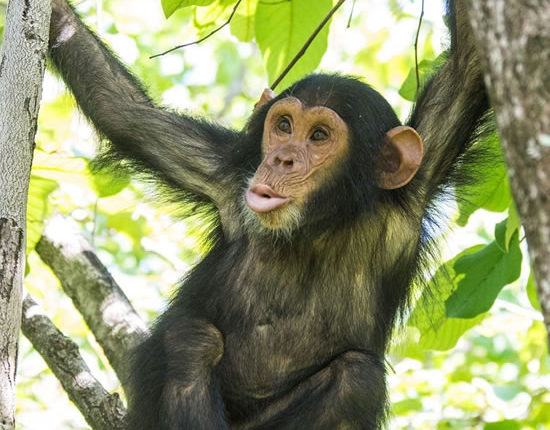
Rwanda “The Land of a Thousand Hills” is a home to an approximate population of 500 and 1,000 individuals in the surrounding mountainous rainforests. The large population of about 400 to 500 are hosted by the famous Nyungwe National Park (in Nyungwe and Cyamudongo forests) in southwestern region Rusizi district, while a smaller growing population is hosted by the newly restored Gishwati Mukura National Park in northwestern region of Rwanda.
Where to track Chimpanzees in Rwanda.
- Nyungwe National Park: It is a home to over 400 to 500 individuals located in southwest of Rwanda which is the premier destination for chimpanzee tracking. The park has two fully habituated communities ready for daily tracking. One is located in the main Nyungwe forest and another in the remote Cyamudongo Forest. The park offers only chimpanzee tracking experience (1 hour with the chimps) to tourists in Rwanda.
- Gishwati Mukura National Park: It’s a newly restored conservation area established in 2015 located in northwestern Rwanda, this park hosts a smaller group of recovering chimpanzees with just 35 to 40 individuals. Only chimpanzee tracking experience is offered by the park to visitors in Rwanda.
Chimpanzee tracking experience offers great unforgettable memories to tourists in Rwanda. The experience begins with a morning briefing at the necessary park headquarters about the great Apes and the forest at large. Park rangers/guides are provided to Chimpanzee trackers to enforce rules and guidelines in the forest. Hikes will take 2 to 3 hours depending on the location of the primates. Once they are found, visitors are allowed to spend one magical hour to observe and photograph the great Apes. Strict obedience to the core rules is highly recommended.
Core rules while tracking chimpanzees.
- Do not attempt to track chimpanzees if you are suffering from communicable diseases like flu, cough.
- Do not use flash photography.
- Silence (low voices) in the forest is a must.
- Manage the exact one hour with the chimpanzees.
- Maintain at least 10 meters in presence of the primates.
- Stay in small groups in the presence of the primates.
- No littering (leaving trash) in the forest.
Best times to track chimpanzees in Rwanda.
The dry seasons, from June to September and December to February are referred to as the best times for chimpanzee tracking. During these months, the forest trails are drier and easier to hike, and the vegetation is less dense, offering clear viewing and photography opportunities.
Permit Costs include; $150 (Foreign Non-Residents), $75 (Foreign Residents), $25 (East African Citizens), for the tracking experience.
What to pack/bring while going for chimpanzee tracking in Rwanda.
Chimpanzee trackers are recommended to come with waterproof hiking boots, a waterproof rain jacket, long-sleeved clothing (shirt and trouser), insect repellant, plenty of drinking water and packed lunch/snacks.